Andy Shields
February 19, 2026
Key considerations for land developers entering the data center market in 2026
The global appetite for cloud services, AI training, and edge computing continues to surge, making data centers one of the most sought-after real-estate asset classes. 2026 promises to be a year of growth and development for data centers in the US – with several large projects already in the works or planned. In this article, we discuss the key factors that land developers should consider if they are planning to enter the data center market.
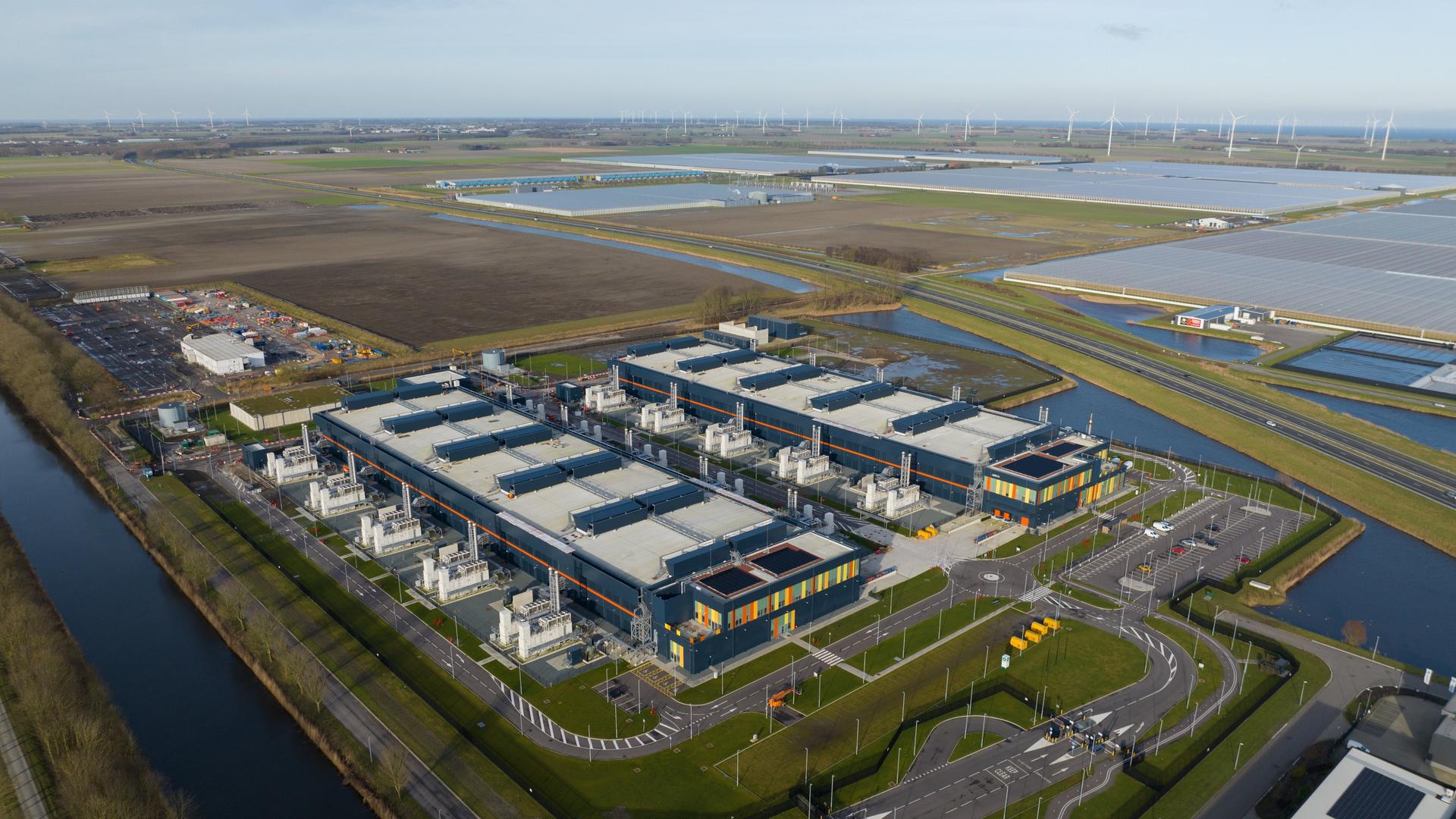
As demand for reliable, resilient, and efficient data centers only increases, land developers and data center companies are finding common ground – particularly with the need to have sites that offer power and fiber availability, tangible water solutions, and limited community disruption.
Understanding power and fiber availability
Developers need to pre-plan if they want to secure data center clients for their newly developed data center assets. With grid interconnection queues now exceeding five years, land banking and pre-powered land are growing in popularity. This is leading developers to secure power before they have fully secured tenants. With a contract for firm power in hand, developers give themselves an edge and can garner premium lease rates and compress time-to-market.
Another option developers should consider is a variety of behind-the-meter solutions, such as fuel cells, natural gas plants, battery energy storage systems (BESS), and the integration of renewables like wind and solar. These options can increase reliability, while alleviating long grid connections queues. However, they each come with their own challenges. Natural gas increases carbon footprints, and the manufacturers of turbines and reciprocating engines have backlogs of orders extending several years. Wind and solar require large amounts of land and generally do not provide the consistent power needed for data centers. While innovative technologies are currently being developed that can decrease power instability – like Ramboll’s new Universal Damping STATCOM – many of these have not reached the commercial market yet.
In addition to power, sites need access to high-speed broadband to ensure they are not stranded assets that have unreliable connections. Fiber connectivity governs latency, resiliency, and time-to-market. Developers should validate both long-haul and metro access: proximity to diverse backbone routes, regional carrier hotels, and at least two physically separated metro ring entry points. It’s also important to secure easements and rights-of-way early, confirm duct/conduit capacity for expansion, and design a clear path for multiple carriers to reach the site without shared single points of failure. AI-driven workloads raise the bar with high bandwidth (e.g., 400G/800G-ready optics), consistent low jitter, and predictable latency to cloud on-ramps and GPU clusters. If developers want their land to be data center ready, they need to have contingency plans for rapid growth in fiber counts and diverse routes as the needs of the industry evolve.
Tackling water use, reuse, and treatment
Water use in data centers is driven primarily by cooling systems, which are essential for maintaining safe operating temperatures for mission‑critical equipment. Cooling technologies vary significantly in water demand, energy requirements, and operational complexity, and their performance is strongly influenced by local climate conditions. As rack densities rise, AI workloads accelerate, and pressure increases on already‑strained water and wastewater infrastructure, proactive and strategic water management has become more important than ever.
Historically, data centers relied on municipal potable water; however, industry expansion into new and resource-limited regions requires careful evaluation of local water resources, infrastructure capacity, and system reliability. A range of alternative supply options – including reclaimed wastewater, raw surface or groundwater, harvested rainwater, and blended approaches supported by on‑site storage – can reduce reliance on potable water, protect community resources, and enhance the long‑term viability of a site.
In addition to securing cooling water supply, data centers must also plan for responsible water discharge. Discharge quality and quantity depend on the cooling technology used, the characteristics of the source water, and the chosen disposal pathway – such as POTW discharge, surface water outfalls, beneficial reuse, or zero liquid discharge. Treatment prior to discharge may be required based on local regulations and disposal methods. Early assessment of wastewater quality, treatment needs, and feasible discharge routes is critical to avoiding permitting delays or unexpected infrastructure constraints.
Ultimately, water management requires aligning data center needs with the surrounding water system. Water systems are becoming more complex and face ongoing challenges, including limited resources, aging infrastructure, and competing demands. Data centers can utilize tools such as on‑site reuse, advanced treatment technologies, alternative water sources, and strategic storage to reduce their impact, while strong partnerships with utilities, regulators, and communities can help support long‑term resilience.
By combining rigorous monitoring with optimized cooling system design, thoughtful sourcing strategies, data centers can move toward circular water strategies that support both operational reliability and build community trust.
Mitigating community disruption
Being a responsible neighbor is essential to building strong relationships with the surrounding communities, especially in today’s complex landscape. Recognizing and addressing how a data center may disrupt the community from the early stages can help reduce resistance and foster constructive dialogue.
Incorporating strategies to mitigate noise and integrate biodiversity in planning and design can have a positive impact on community acceptance. For instance, as data centers are more often finding themselves in urban communities, the aesthetic integration of the facility becomes important. Identifying and preserving environmental hotspots, like wetlands or native vegetation, can prevent costly redesigns and build trust with regulators and communities. Nature-based design elements such as bioswales and forested buffers can replace traditional infrastructure such as fences, serving as barriers to light and noise, increasing integration into the surrounding community.
During master planning and design, proactively addressing acoustic and air quality concerns can help further improve community presence. By modeling noise and air pollutants, developers can integrate appropriate mitigation strategies that can minimize these disruptions. Physical and acoustic barriers such as berms, vegetation or acoustic louvers, along with smart operational scheduling that considers weather conditions, night-time noise, and staggered maintenance windows, are examples of effective management practices.
Transparency is key to building trust. Tools such as public dashboards, community hotlines, and third-party audits can help facilitate acceptance and accelerate permitting processes. By prioritizing community engagement and responsible operational practices, data center developers can be better neighbors, fostering positive relationships with the community.
Conclusion
By planning ahead and developing sites that are data center ready, developers can position themselves as a premier site, equipped for a data center now and prepared to handle what’s to come. Ensuring power and fiber availability and reliability, sustainable water management, and mitigating environmental and social risks helps future-proof land against changing regulations and an evolving market that is changing at speed.
LEARN MORE ABOUT OUR SERVICES
Data center consulting services
Technology
Achieve sustainable growth at pace with a single, proven partner. We support data center excellence by managing the full lifecycle of your facilities, from site selection, concept, and design through build to operations.
LEARN MORE ABOUT OUR SERVICES
Get in touch
Andy Shields
Head of Business Development and Client Strategy, Data Centers, Americas

Felicia Chou
Public Relations and Media Outreach Mgr
+1 703-516-2313